The meter test: your best first check
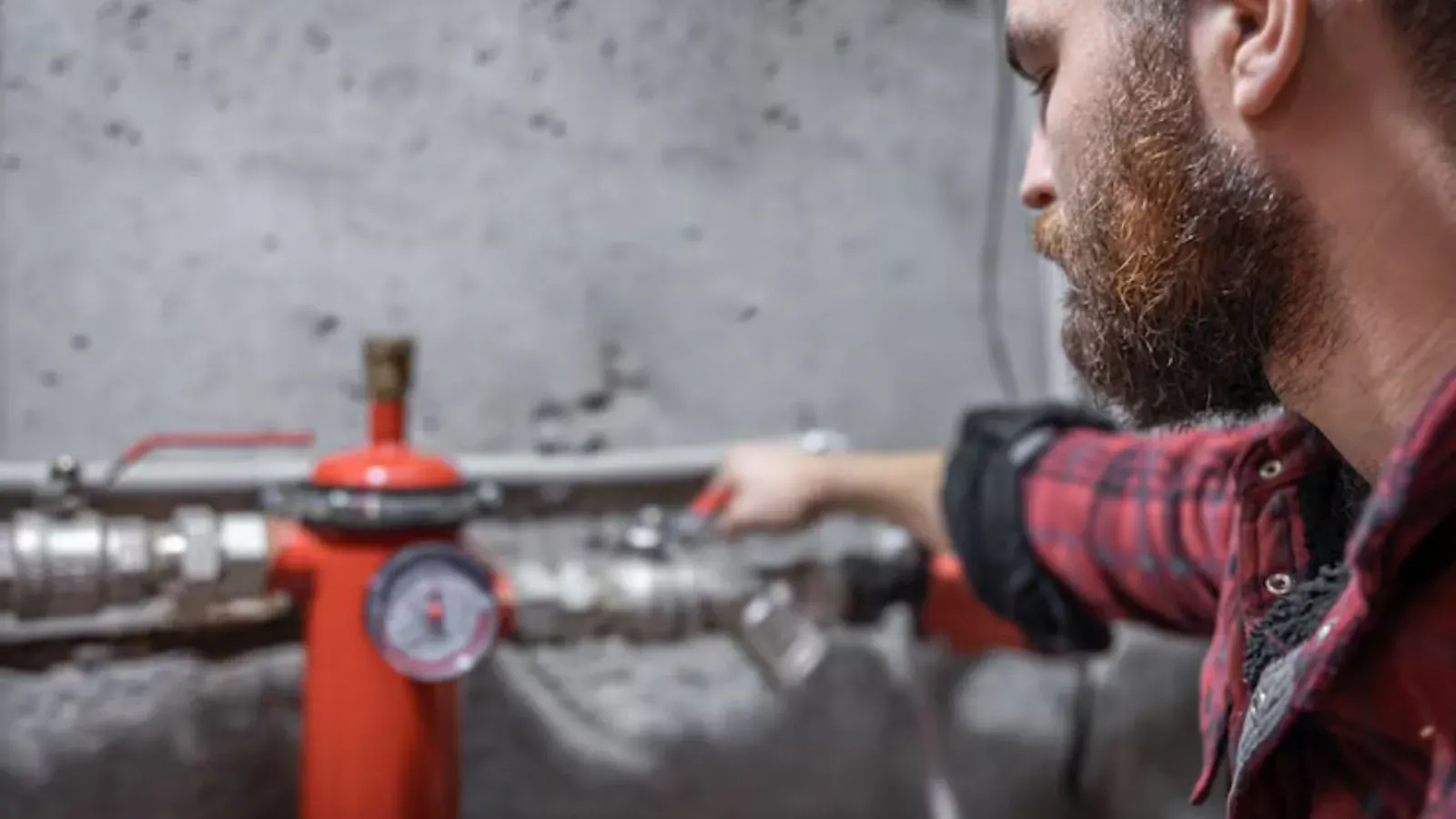
Your water meter counts every drop that enters the house, so it is the most honest leak detector you own. Turn off every fixture and appliance, including the ice maker, dishwasher, washing machine and irrigation. Then look at the meter.
For a cost sanity check, the water meter itself is a published reference tool: every utility meter registers flow, and the Goose Creek Water Division can explain how to read yours. That, plus the standard trade methods of acoustic listening and pressure testing, is how a quiet leak is confirmed.
Most meters have a small low-flow indicator, a triangle or dial that spins when even a trickle passes through. Write down the reading, wait an hour or two without using any water, and read it again. If the numbers moved or the indicator spins, water is escaping somewhere past the meter.
Run the meter test
- Stop all water useClose taps, pause appliances and make sure nobody flushes.
- Find the meterIt is usually in a box near the street or the front of the lot. Lift the lid carefully and watch for insects.
- Read the low-flow indicatorA spinning dial or triangle means water is moving.
- Record the numbersWrite down the full reading and the time.
- Wait and read againAn hour of no use is enough for most leaks. Overnight is better for slow ones.
- Split the houseClose the main valve at the house. If the meter keeps moving, the leak is outside, between the meter and the house.
The toilet dye tablet test
A leaking toilet flapper is the most common silent leak, and you can test it with a dye tablet or a few drops of food coloring. Put the dye in the tank, do not flush, and wait a short while. If color shows up in the bowl, the flapper is letting water through.
Callers tell us the bill doubled or tripled and the first thing they noticed was a toilet that runs now and then. A flapper that leaks even a trickle can waste a large amount of water over a month. Replacing the flapper is a small part and a quick fix.
Listening and looking
With the house quiet, listen near the water heater, under sinks, behind the washer and along the walls of bathrooms. A hiss, a faint trickle or a ticking sound can mean a pressurized leak. Touch the floor in the hallway and kitchen, and look for warm spots on a slab, which can mean a hot water line is leaking beneath.
Outside, walk the yard between the meter and the house. Look for soggy ground in dry weather, a patch of lush grass, a puddle that never dries or water seeping up near the foundation. Check the irrigation zones too, since a stuck valve or cracked head can run for days.
Free checks and what they can tell you
| Check | What it finds | What it cannot do |
|---|---|---|
| Meter test | Whether water is leaking at all | Locate the leak |
| Main valve split | Inside leak versus outside leak | Pinpoint the exact spot |
| Toilet dye tablet | Silent flapper leaks | Find leaks in the walls or ground |
| Listening and touch | Hissing or warm spots on lines | Reach pipes hidden under slab or driveway |
| Yard walk | Wet ground or lush patches | Prove the cause underground |
| Fixture check | Dripping faucets, shower valves | Detect behind-wall pipe leaks |
When free checks are not enough
A meter that keeps moving after every fixture is closed tells you a leak exists, not where. If you suspect a slab, a wall behind tile, a line under the driveway or a run between the meter and the house, you need equipment: acoustic listening gear, tracer gas, pipe locators or thermal imaging. That is the work of professional leak detection.
We do not offer free detection, and we would rather say so than pretend. Locating a hidden leak takes trained eyes, specialized tools and time, so it is a priced service. Expect a clear price before work starts and ask how the plumber will mark the spot. Ask too if the same plumber can repair the leak once it is found, since many callers want to avoid hiring twice.
Signs you should stop checking and call
- The meter spins with everything offYou have a confirmed leak and need to find it.
- Wet or warm floor spotsA warm slab or a damp wall suggests a pipe leak, not condensation.
- Soggy lawn between meter and houseThis points to a service line leak, and the water may be running into the soil.
- No dye, but the bill jumpedToilets and faucets are fine, so a hidden leak is more likely.
- Low pressure with no causeA leak can drop the pressure to every fixture.
- Sound of running water at nightQuiet houses make hidden leaks audible.
Outside the house: the service line
If shutting the main valve at the house stops the meter, the leak is inside. If it keeps spinning, the leak is between the meter and the house, which is often on the property owner's side. A leak there can run for weeks without any sign inside, and the bill is how most people find out.
That is the job for water service line repair. A plumber can locate the break, dig only where needed, and replace or patch the line. Do not dig blind. Hitting a gas line, power cable or the water line itself is a real hazard, so call before you break ground.
Goose Creek notes: who reads the meter and what to ask
The City of Goose Creek Public Works, Water Division handles meter reading and repairs and maintains water lines. If your meter test shows movement, call the Water Division at 843-824-2200 and ask where the city's responsibility ends and yours begins. That one question tells you whether the leak is the city's to fix or yours to find.
Ask the division too if your account shows a usage jump, and if anyone has flagged a leak. Bring your meter readings from the test. The more specific you are, the faster the line between city side and house side gets drawn.
What the free checks save you
The meter test costs nothing and takes one evening. It will not fix a leak, but it prevents two mistakes: paying for detection when the bill came from a toilet, and ignoring a real leak because the house looks dry. If you live just over the line in Hanahan, see our Hanahan service page for how we serve both sides.
Check your homeowner policy too. Policies usually cover sudden accidental water damage but not wear, age or a gradual leak, and your policy decides, so call your insurer before work begins.
Meter still moving? Call and a licensed plumber can help find where the water is going.
☎ Call (855) 575-2890Questions Goose Creek homeowners ask
Turn off every fixture, read your water meter, wait an hour without using water, and read it again. If the numbers moved, you have a leak.
Then close the main valve at the house. If the meter stops, the leak is inside. If it keeps moving, the leak is outside, between the meter and the house.
Yes. A worn flapper lets water slip from the tank into the bowl without a sound. Put a dye tablet or food coloring in the tank and wait without flushing for a short while.
If color appears in the bowl, the flapper or fill valve needs replacing.
You can suspect it. Warm spots on the floor, the sound of running water and a meter that moves with the house closed are strong clues. Finding the exact spot needs acoustic or thermal tools.
A slab leak is also a reason to call early, because water under a slab can undermine the soil.
A utility usually reads the meter and may flag unusual use, but the line past the meter is typically the owner's. Ask the City of Goose Creek Water Division where its responsibility ends.
Locating a hidden leak inside your property is normally work for a plumber with detection gear.
Often yes. A moving meter means you are paying for water that never reaches a tap. Finding the exact spot lets a plumber dig or open a wall in one place instead of guessing.
Ask for a clear price before work starts and for how the spot will be marked.
Start with the meter test, then call the City of Goose Creek Public Works, Water Division. Ask for your recent readings and where the city's line ends.
If the meter moves with everything off, a plumber can locate the leak on your side.
Have a different question about leak detection guide?
☎ Call (855) 575-2890